لَهَبٍ وَتَبَّ: Tanween (Two Kasrs ) is followed by ( و) Idgham with Ghunnah – Insert Tanween into Waw with Gunnah.
Idgham with Ghunnah occurs in Four letters ( و – ى – ن – م) if Noon Sakinah or Tanween is folloed by any one of them The rule be Idgham with Ghunnah.
وَتَبَّ: Qalqalah in (ب) , There are five Qalqalah Letters ( ق – ط- ب- -ج – د ) .
مَا أَغْنَى :Madd Munfasel 4 o 5 Harahs.
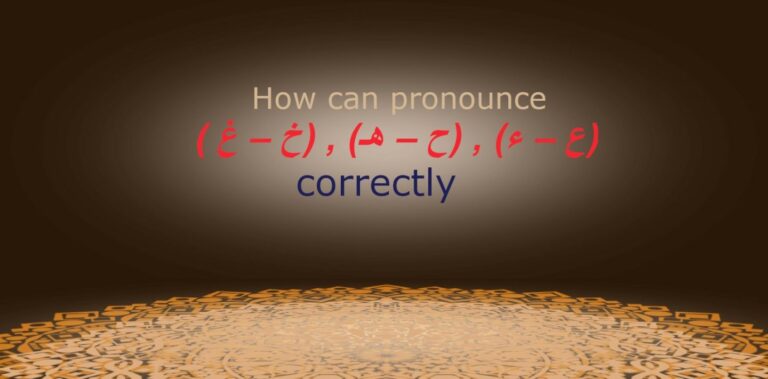
عَنْهُ: Ithaar Halqe because Tanween is followed by Haa – It means to pronoun Tanween Clearly in Tajweed six Ithaar Halqe Letters ( ء – ه -ع – ح -غ – خ ).
مَالُهُ : Madd Selah Saghrah two Haraks because (ــه) Ha Salah is not followed by Hamzah. like ( هو) .
نَارًا ذَاتَ: IKhfaa Haqeqe For Tanween , In Ikhfaa ( Tanween ) is not pronounced , only Ghunnah is pronounced, There are 15 letters for Ikhfaa and ذ one of these letters,.
حَمَّالَةَ: Read ( م) with Shaddah Two Haraks.
حَبْلٌ : Qalqalah in (ب).
حَبْلٌ مِنْ مَسَدٍ: Idgham with Ghunnah because Tanween and Noon Sakinah are followed by ( م)
Understanding ‘Surah Al Masad ‘ is crucial for beautiful recitation. In our structured Tajweed course, we break down each letter with live examples and personalized feedback from qualified instructors. Ready to perfect your recitation? Explore our Tajweed courses here:
Instructions: Answer the following questions in two to three sentences, drawing only from the provided source context.
1. Define the rule of Madd Munfasel and state its required duration.
2. What is Idgham with Ghunnah, and which four letters cause this rule to be applied to a preceding Noon Sakinah or Tanween?
3. Explain the rule of Qalqalah and list the five letters associated with it.
4. Describe the rule of Ithaar Halqe and identify the letters that trigger it.
5. What is Madd Selah Saghrah and under what specific condition is it applied?
6. Explain how Tanween is pronounced when the rule of IKhfaa Haqeqe is applied.
7. Identify and briefly explain the Tajweed rule applied to the word أَبِي.
8. According to the text, what rule is applied to the word مَالُهُand why?
9. In the phrase لَهَبٍوَتَبَّ, why is the rule of Idgham with Ghunnah applied?
10. Identify the two instances of Qalqalah mentioned in Surah Al Masad and the letter involved.
Answer Key
1. Madd Munfasel is a rule where an Alif Madd is lengthened for four or five vowel counts, or Haraqahs. This rule is applied in the source to the words يَدَا and مَا أَغْنَى.
2. Idgham with Ghunnah is the rule where a Noon Sakinah or Tanween is inserted into the following letter with Ghunnah (a nasal sound). The four letters that trigger this rule are و (Waw), ى (Yaa), ن (Noon), and م (Meem).
3. Qalqalah is a specific sound articulation applied to five letters. The five Qalqalah letters are ق (Qaf), ط (Taa), ب (Baa), ج (Jeem), and د (Dal).
4. Ithaar Halqe means to pronounce the Tanween clearly. This rule is applied when a Tanween is followed by one of the six Ithaar Halqe letters: ء (Hamzah), ه (Haa), ع (Ayn), ح (Haa), غ (Ghayn), or خ (Khaa).
5. Madd Selah Saghrah is a lengthening of two Haraks (vowel counts). It is applied to the letter ــه (Ha Salah) when it is not followed by a Hamzah.
6. When the rule of IKhfaa Haqeqe is applied, the Tanween is not pronounced. Instead, only the Ghunnah (nasal sound) is pronounced.
7. The Tajweed rule applied to the word أَبِيis Madd Tapyyia, also known as Natural Madd. This rule requires the Yaa to be lengthened for two Haraks.
8. The rule applied to مَالُهُis Madd Selah Saghrah, which is lengthened for two Haraks. This is because the ــه (Ha Salah) in the word is not followed by a Hamzah.
9. In the phrase لَهَبٍ وَتَبَّ, Idgham with Ghunnah is applied because the Tanween (Two Kasrs) on the letter Baa is immediately followed by the letter و (Waw), which is one of the four letters of Idgham with Ghunnah.
10. The source mentions Qalqalah on the letter ب (Baa) in three words: وَتَبَّ, كَسَبَ, and حَبْلٌ.
Introduction for Benefits of Reading Quran Rewards Understanding اقْرَأْ بِاسْمِ رَبِّكَ الَّذِي خَلَقَ “Read in the name of your Lord, who has created (all that exists).”( Surah Al-Alaq: Ayah 1). Read Part 1 This Surah was revealed for our prophet to guide him to read and learn. the first word revealed to our Prophet Muhammad (PBUH)…
Why focus on these Letters ( ع – ح – خ ) ? – Most of non Arabic speakers mix Between (ع – ء) , (ح – هـ) , (خ – غ ). – Near of Makharij (the place of emitted of letter) or articulation point between (ع – ء) , (ح – هـ) ,…
{الَّذِي جَعَلَ لَكُمْ مِنَ الشَّجَرِ الْأَخْضَرِ نَارًا} The one who made fire for us from green trees is Allah Almighty. { لَكُمْ } This designation is not specific to the Messenger of Allah and his companions, but rather it is general to everyone, as it was made for them among all people from green trees….
Quran ( Introduction, Organization, Contents) 1-Introduction Quran means reading or recitation. However, the word has specifically come to mean the Quran revealed to Prophet Muhammad. The Qur’an is that the foundational book of Muslims and, in fact, of the Arabic . Muslims believe that the Quran is that the complete and authentic record of the…
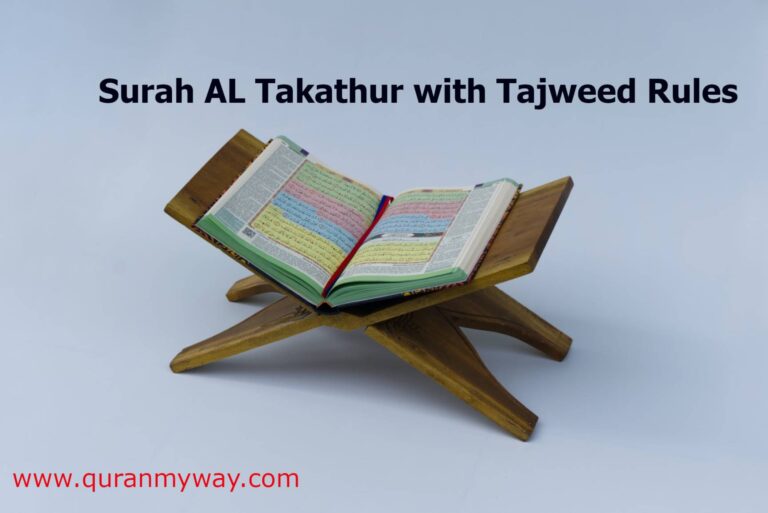
Explanation of Surah At Takathur : أَلْهَىٰكُمُ : Small Alif ( Mad letter – two vowels or Harakahs). ٱلتَّكَاثُرُ : Letter (ث) Make a tip of Tongue touch The tip of front teeth, Like (Th) English letter, There are Letters in Arabic should Pronounced like that ث – ظ- ذ . زُرْتُمُ : Ra’a is Mufakham ( heavy…
Introduction to Surah Al Ma’un Surah Al-Maun serves as a moral guide for believers, directing them towards acts of kindness, compassion, and social responsibility. It encourages genuine faith and sincerity in actions while emphasizing the rewards of charity and good deeds in both worldly life and the Hereafter. 1-THE Al- Ma’un ( ASSISTANCE ). 2-Arrange of Surah :…








A detailed blog is soo helpful…https://ayeshaquranacademy.com/are-tampons-haram/